Nodefender Windows 10
Many people complain that Windows 10 forces them to use Windows Defender and that there is no way to disable it. Once you disable it using the Settings, the operating system re-enables it soon. Here is a solution which will allow you to disable Windows Defender in Windows 10 completely. RECOMMENDED: Update: Some users report that they can't disable Windows Defender with 'NoDefender' in Windows 10 Anniversary Update. In this case, you can use Winaero Tweaker to disable Windows Defender: You can download it here:. Let me introduce you to NoDefender - a small third party app created by my friend.
He coded it to allow anyone to disable Windows Defender in Windows 10 and take back control of the operating system which Microsoft seems to constantly take away from the user. • Unpack and run the app • On the Step 1 page, click the Open Windows Defender Settings button.
By far the most effective and clean way to permanently disable Windows Defender in Windows 10 is via Group Policy, as described by Aaron Hoffman. Unfortunately, Windows 10 Home lacks the necessary tools. Here's a registry file that contains the changes made by gpedit.msc on a Windows 10 Pro machine. It's been tested on Windows 10 Home as well. Shiny flowers belinda bely belly.
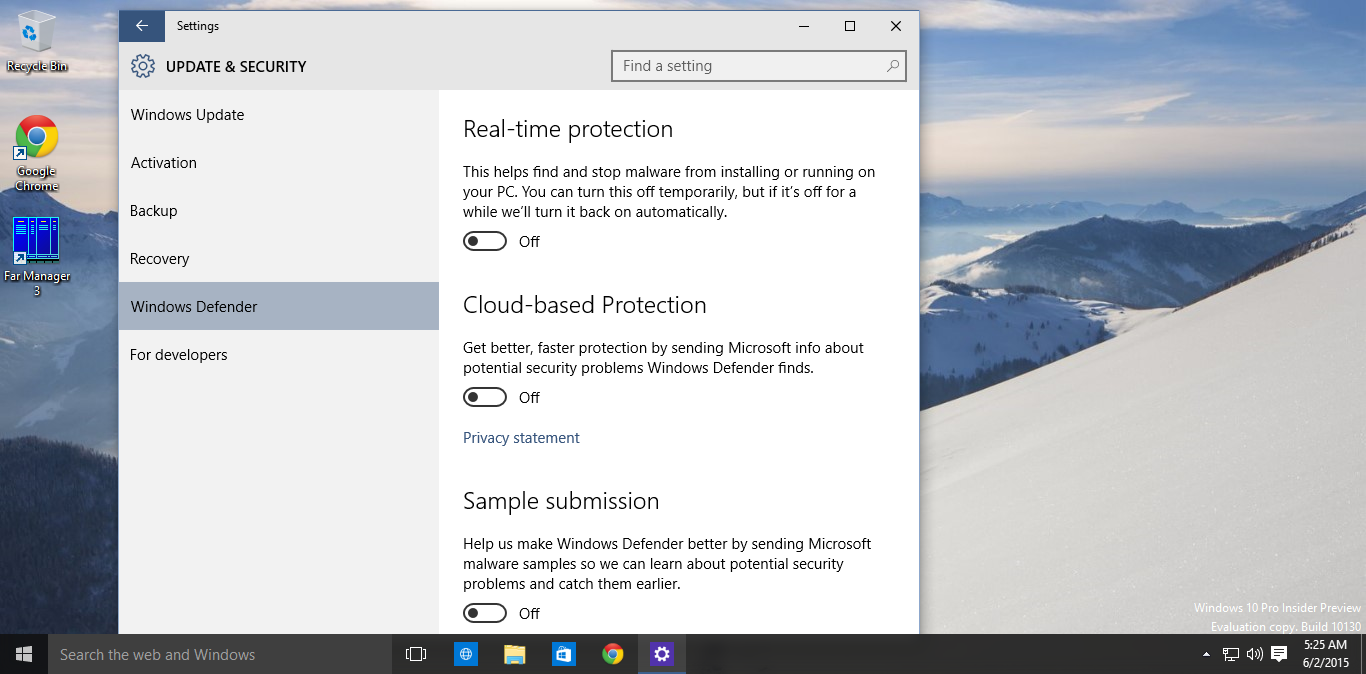
• This will open the appropriate page of the Settings app. Disable the following options there: Real-time protection Cloud-based protection Sample submission • Now go to the next step in NoDefender. On the Step 2 page, click Disable Windows Defender • Go to the next step. You are done.
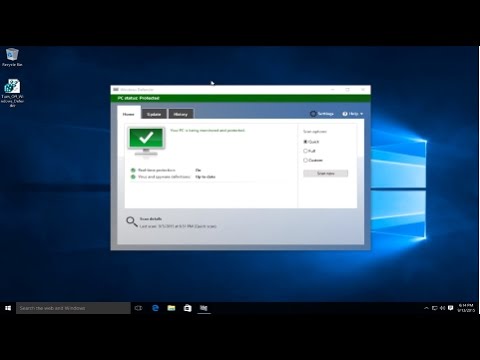
Windows Defender will be disabled in Windows 10. Download free mastercam dongle hack. Using NoDefender, you can re-enable it later if you want. You are here: » » NoDefender – Disable Windows Defender in Windows 10 with few clicks. ↓ • sanya A lot of anti-viruses use “Cloud-based protection”, I don’t know what it means for Microsoft but in these other products it means that the AV will get the hash of the files and then check it against the “cloud” servers, the upsides to this is that the cloud is always updated with the latest signatures meaning it can detect malware that has not yet been downloaded to the local AV database, but if you use Cloud AV exclusively then you also don’t need a local AV database with signatures, meaning less space. The downside with exclusively using Cloud based AV is no detections if you lose internet connection.
Personally I’m using a product with Cloud AV, that way I don’t have to worry about keeping the AV database updated all the time and I won’t have to worry about AV database updates happening at a bad time when I need all the bandwidth/processing power for other things. Again I’m not sure what Microsoft means by it though, of course I’d agree that “Cloud” is a buzzword, but it does sound better than “Server-based protection” no? ↓ • Heme All the complaining about not being able to re-enable, I don’t get.